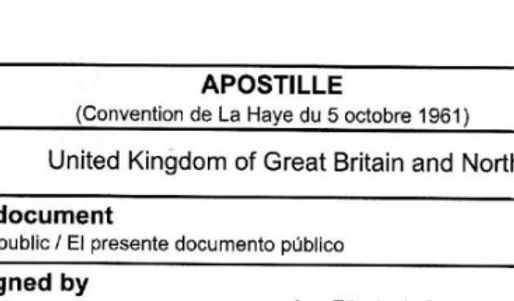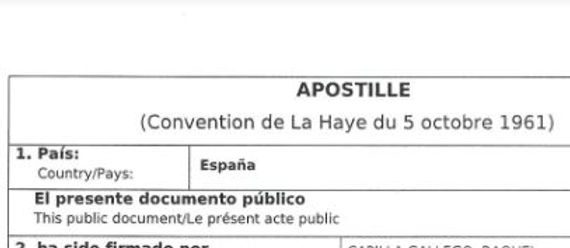
If you need to use a document from one country in another, officials in the second country will usually want proof that the document is real. That is what an apostille does.
An apostille is a stamp or certificate added by the relevant authority to confirm that a signature or seal on a public document is genuine. It does not check or guarantee that the content of the document is correct, it only confirms who signed it and that the signature is authentic.
The apostille system comes from the Hague Convention of 1961. Countries that signed this convention agreed to accept each other's apostilled documents without any further consular legalization. So if your document was issued in a country that is part of this convention and is going to be used in another country that is also part of it, an apostille is all you need.
Documents that commonly need an apostille include:
- civil registration certificates (birth, marriage, death)
- criminal record certificates
- certificates from official government bodies
- notarial deeds and notarial signature certifications
- diplomas from public institutions
- and similar official documents
If you are unsure whether your document qualifies, or which authority issues the apostille in your case, it is worth checking before you submit anything abroad.