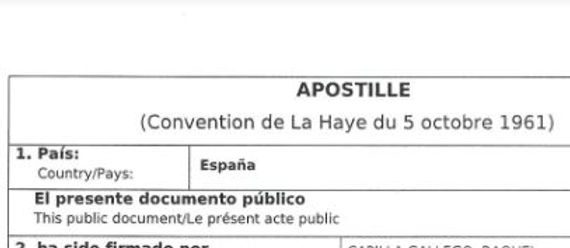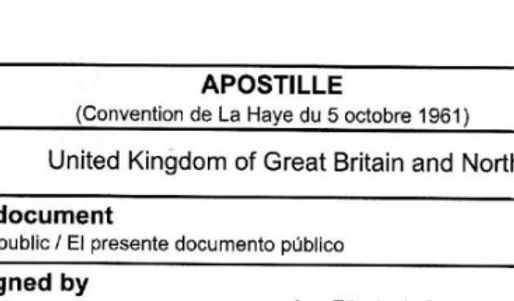
When you send an official document abroad, such as a birth certificate or a power of attorney, the receiving country needs a way to know the document is genuine. An apostille is how that trust gets established.
An apostille works by adding a certified annotation to a public document (or an extension of it) that confirms the signature on it is authentic. This applies to public documents issued in any country that signed the Hague Convention of October 5, 1961, an agreement that did away with the older, slower legalization process for foreign public documents.
Because of this, a document from one country in the Convention, once it carries an apostille, must be accepted in any other country in the Convention. No extra authentication step is needed.
What the apostille actually confirms is:
- that the signature on the document is authentic
- that the person who signed had the authority to do so
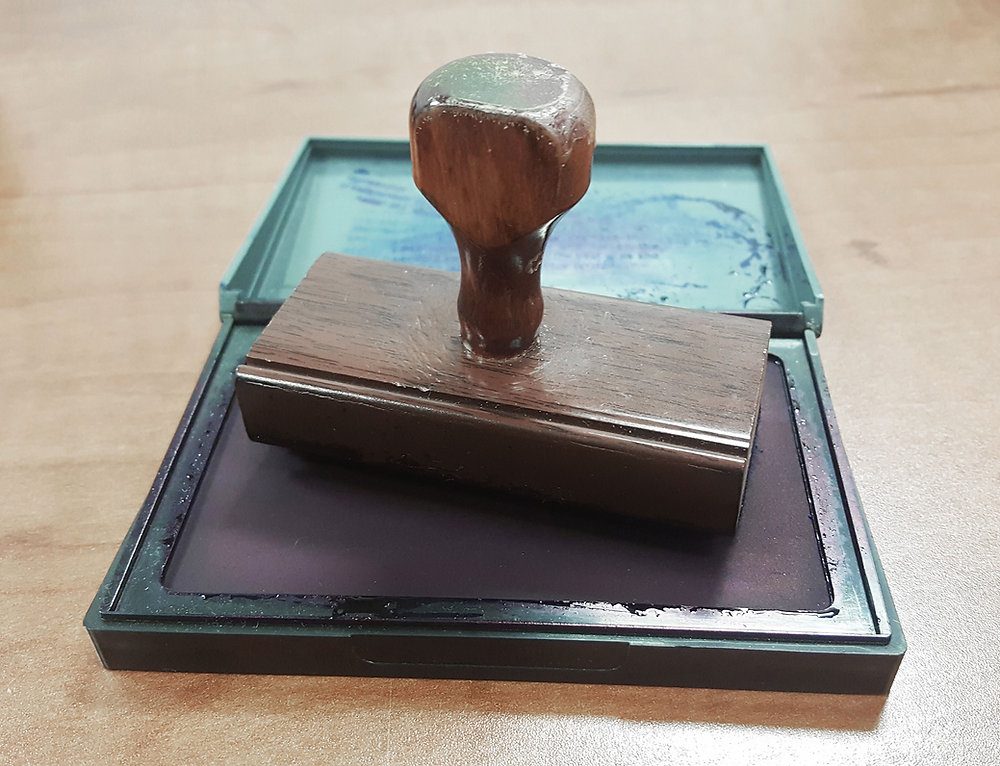
- and, where relevant, that any seal or stamp on the document is genuine
It does not confirm that the information inside the document is accurate, only that the document and its signature are what they claim to be.