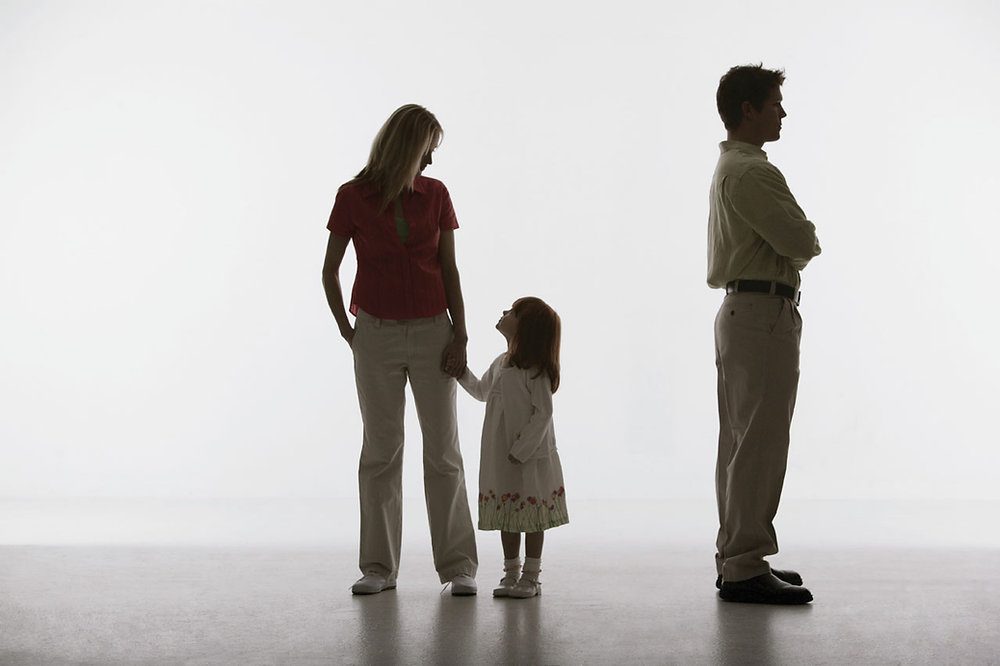
If you are going through a divorce, a custody dispute, or any family case involving children in Spain, you may hear the term "psychosocial report" and wonder what it means for your case. It's one of the most important tools courts use to protect children, and understanding it can help you know what to expect.
A psychosocial report is prepared by experts in psychology and social work. Courts use these reports in cases involving divorce, child custody, adoption, and guardianship.
The point of the report is to give the judge a clear picture of how the family actually functions: the emotional wellbeing of the children involved, and whether the parents or caregivers are able to meet their needs.
Where things can go wrong
In practice, courts are often overloaded, and the professionals who prepare these reports frequently don't have enough time or resources. This can mean a report ends up less thorough than it should be.
Why it still matters
Even with these limits, a psychosocial report is not just a legal formality. It exists to protect the people in the case who cannot speak up for themselves, above all the children. Getting accurate, expert information in front of the judge matters enormously in these proceedings.
So if a psychosocial report comes up in your case, know that despite the pressures on the system, its purpose is to look out for the most vulnerable people involved and help the judge reach a fair decision.