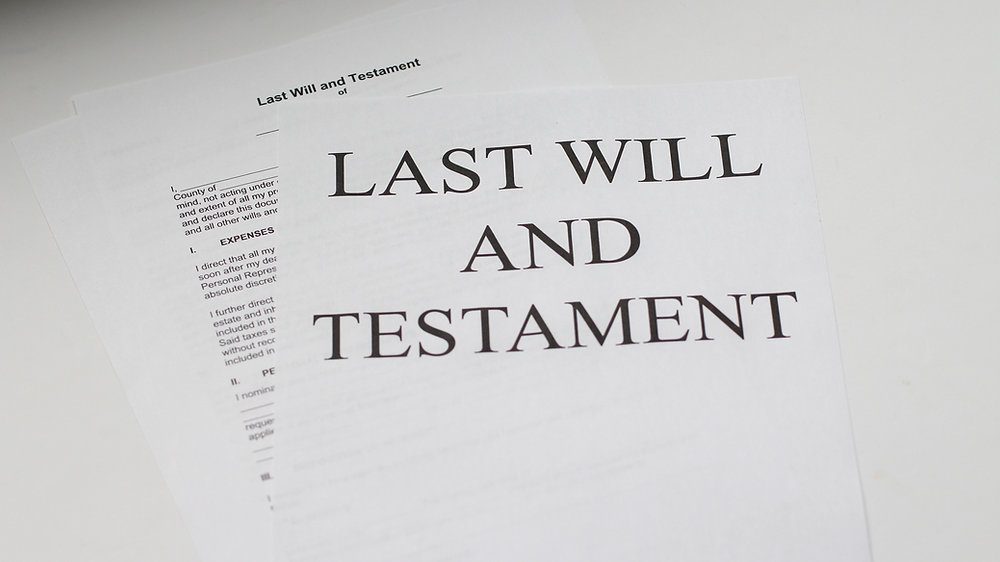
If you're writing a will in Spain, or you've been named to carry one out, you'll come across the role of testamentary executor. It's a well established figure in Spanish law, and understanding what it involves can make the whole succession process much smoother for everyone.
What a testamentary executor is
A testamentary executor is the person the testator names in their will to make sure their wishes are actually carried out. Their main job is to see that the terms of the will are properly fulfilled, and to manage the estate's assets until they are handed over to the heirs.
What they're responsible for
An executor's duties need to be handled carefully and transparently. They typically include:
- Gathering and safeguarding the testator's assets.
- Settling the estate's debts and charges.
- Preparing inventories and valuations of the assets.
- Representing the estate in legal proceedings.
- Distributing the assets and legacies according to what the will says.
Who can be an executor
Anyone appointed as executor needs to be of legal age and have full legal capacity. The testator chooses this person freely in the will itself, usually someone they trust.
Why the role matters
The executor plays a central role in making sure a person's last wishes are respected. Having one in place makes the estate easier to manage and gives the whole distribution process more structure and security.
How it works in practice
The executor's actions are governed by the Civil Code and by whatever specific instructions the will contains, and the courts oversee their work to make sure everything follows the established rules.
Put simply, a well chosen executor is what turns a will from a document into something that actually gets carried out properly, protecting both the testator's wishes and the interests of the heirs.