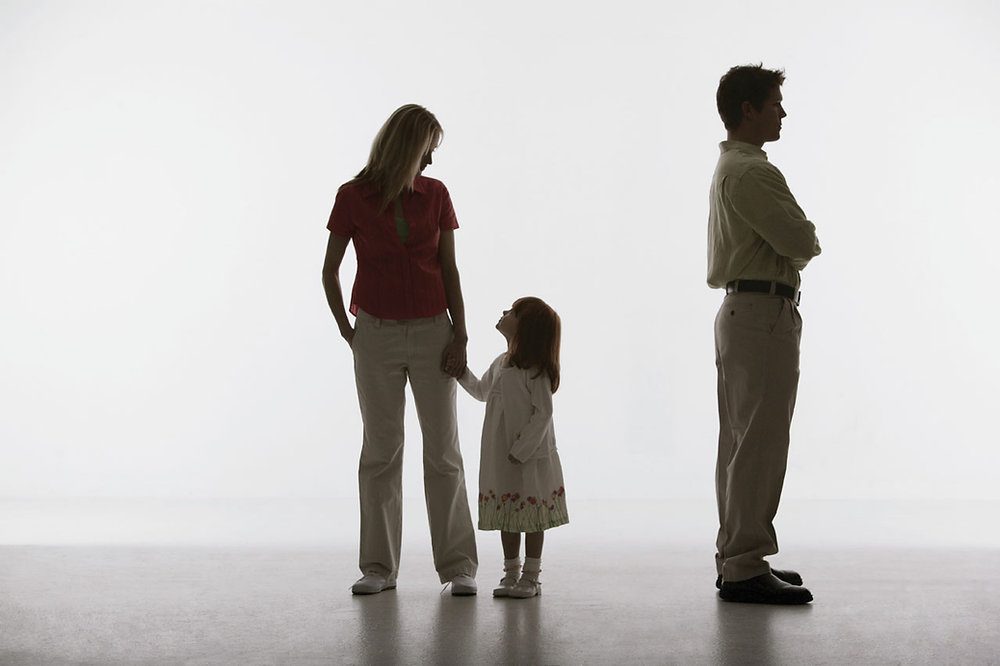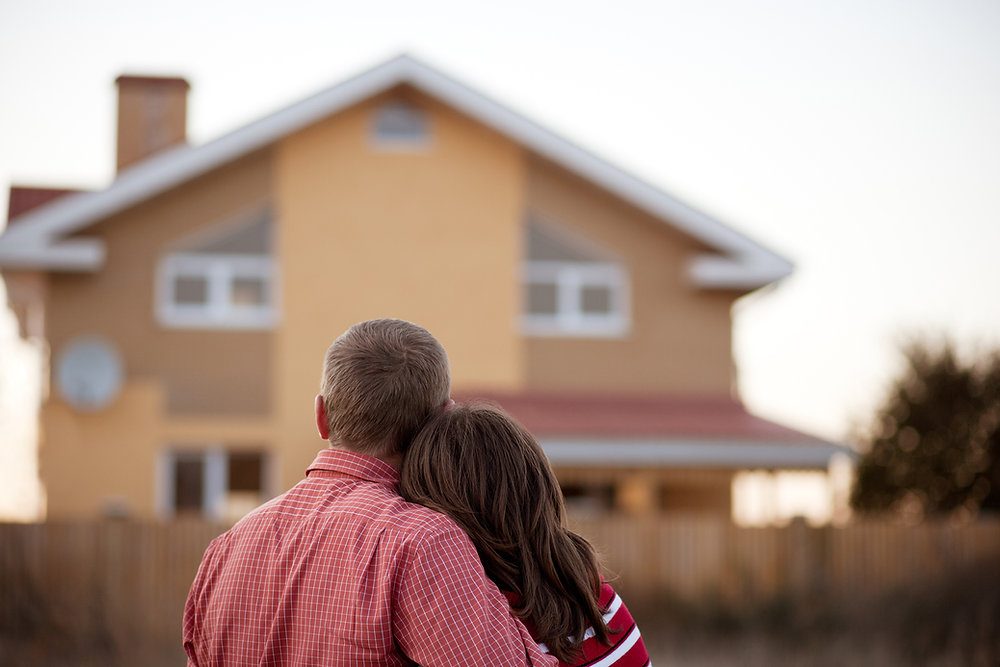
When a marriage ends, dividing the family home is often the hardest practical step. It is usually the biggest asset a couple owns, and it carries emotional weight that a bank account or a car simply does not. Here is how that division actually works.
First, it needs to be established that the home was bought during the marriage and that it falls under the marital property regime, since that is what makes it subject to this process at all.
Next, the property is valued. A qualified professional carries out an appraisal to establish its current market value, not what it cost when you bought it.
Any outstanding debt tied to the property, such as a mortgage, is then subtracted from that value. What is left is the net value to be divided between both spouses. That division takes into account not just who paid for what, but both financial and non-financial contributions made during the marriage, such as raising children or running the household.
If both of you agree on how to split things, the property is divided by mutual consent. If you cannot agree, mediation or a judicial process may be needed to reach a fair outcome.
What this means for you
The family home gets special treatment in this process because of how much is riding on it: who owns it, what each spouse contributed, and any ongoing family responsibilities all factor into the outcome. A precise, independent valuation matters a great deal here, since it is what the whole division is based on.
There are generally three ways to resolve what happens to the home:
- Sell it and split the proceeds between both spouses
- Award it to one spouse, with the other compensated financially
- Keep it in joint ownership
Rules can vary depending on your specific marriage contract or the law that applies to your situation, which is exactly why getting advice from a family law specialist early on makes a real difference. This is rarely a simple calculation. It calls for careful, individual analysis to make sure both people's rights are protected and the outcome is genuinely fair.