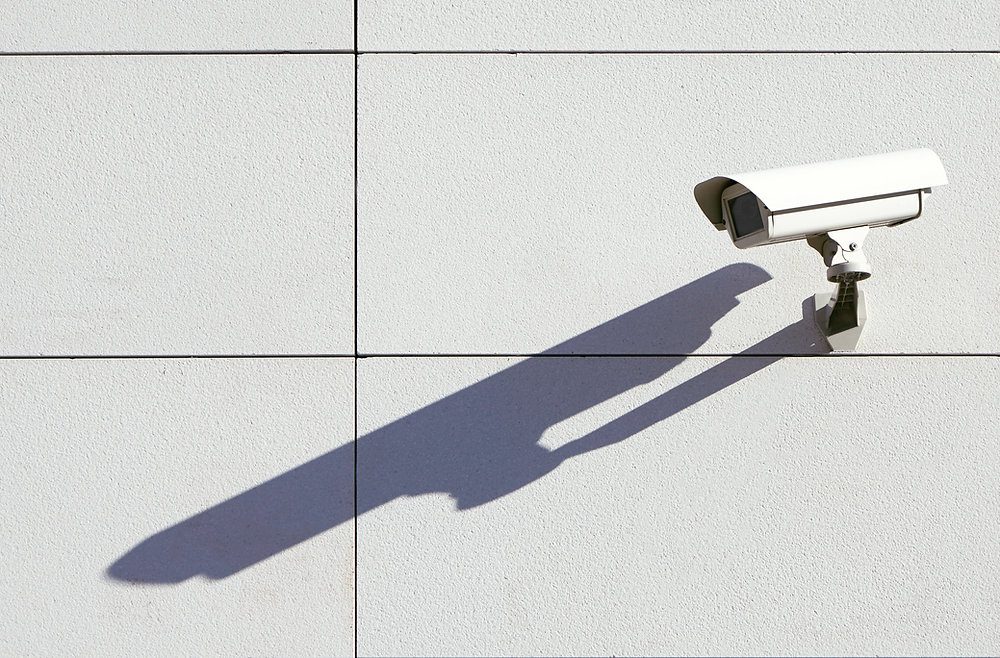
Putting up a security camera at your home in Spain feels like a simple, sensible thing to do. But if that camera also picks up part of the street, a neighbour's door, or a shared entrance, you could be breaking Spain's data protection rules without realising it, and the fines can be significant.
Cameras pointed only inside your own home or private property are not covered by data protection law. That is treated as personal, household use, so you are free to install them. The one exception is something like a hidden camera in a bathroom, which is handled differently.
The problem starts when your camera also records other people, for example if it faces your front door but also catches a slice of the street or the shared path used by neighbours. At that point, several legal obligations kick in.
What you need to do if your camera catches shared or public space
- Keep a record of what the camera does and how the footage is used.
- Put up a visible sign in the monitored area explaining that recording is taking place, and how people can exercise their rights (access, correction, deletion, limiting use, portability, and objecting to being filmed).
- Make sure only the responsible person can access the recordings.
- If the footage can be viewed online, secure that access properly, for example with a username and password.
- Keep the equipment itself somewhere only authorised people can reach.
- Only keep the recordings for one month, as required by law.
Skip these steps and you risk a financial penalty. How large a fine depends on things like how many cameras are involved, how many people are affected, how long the problem has been going on, and what the footage was actually used for.
As a rule, only the Spanish police and security forces are allowed to install cameras that monitor public streets, under both the data protection law (LOPDGDD) and Spain's private security law. Spain's data protection authority (the AEPD) has taken the same position, stating that filming public places is reserved for law enforcement unless there is specific administrative authorisation.
So while Spanish law technically leaves a narrow door open for a company or individual to film public space in certain authorised cases, this is not something to try on your own. If you are thinking about installing a camera that might capture any public or shared area, talk to us first, or check with Spanish law enforcement, before you risk a sanction.